Understanding Indoor Air Quality and Its Impact on Health May 26, 2026
To begin with, what exactly is indoor air quality? It refers to the air purity and quality within and around buildings and structures, particularly as it relates to the health and comfort of building occupants. Clean indoor air means fewer pollutants, allergens, and irritants. Poor IAQ, on the other hand, can lead to what's commonly known as “sick building syndrome”, where building occupants experience health and comfort issues directly linked to time spent in the building.
One of the main pollutants affecting indoor air quality is particulate matter, which includes dust, pollen, and smoke. Furthermore, everyday activities such as cooking, cleaning, or using personal care products can release volatile organic compounds (VOCs) into the air. Inadequate ventilation tends to worsen these effects, trapping the contaminants inside and leading to poor air quality.
Why is this important? Poor indoor air quality has been linked to a range of health issues. Short-term effects can include headaches, dizziness, fatigue, and irritation of the eyes, nose, and throat. Over the long term, sustained exposure to air pollutants can exacerbate respiratory conditions, lead to cardiovascular diseases, and even impact mental health. Children, the elderly, and those with preexisting health conditions are particularly vulnerable to the effects of poor IAQ.
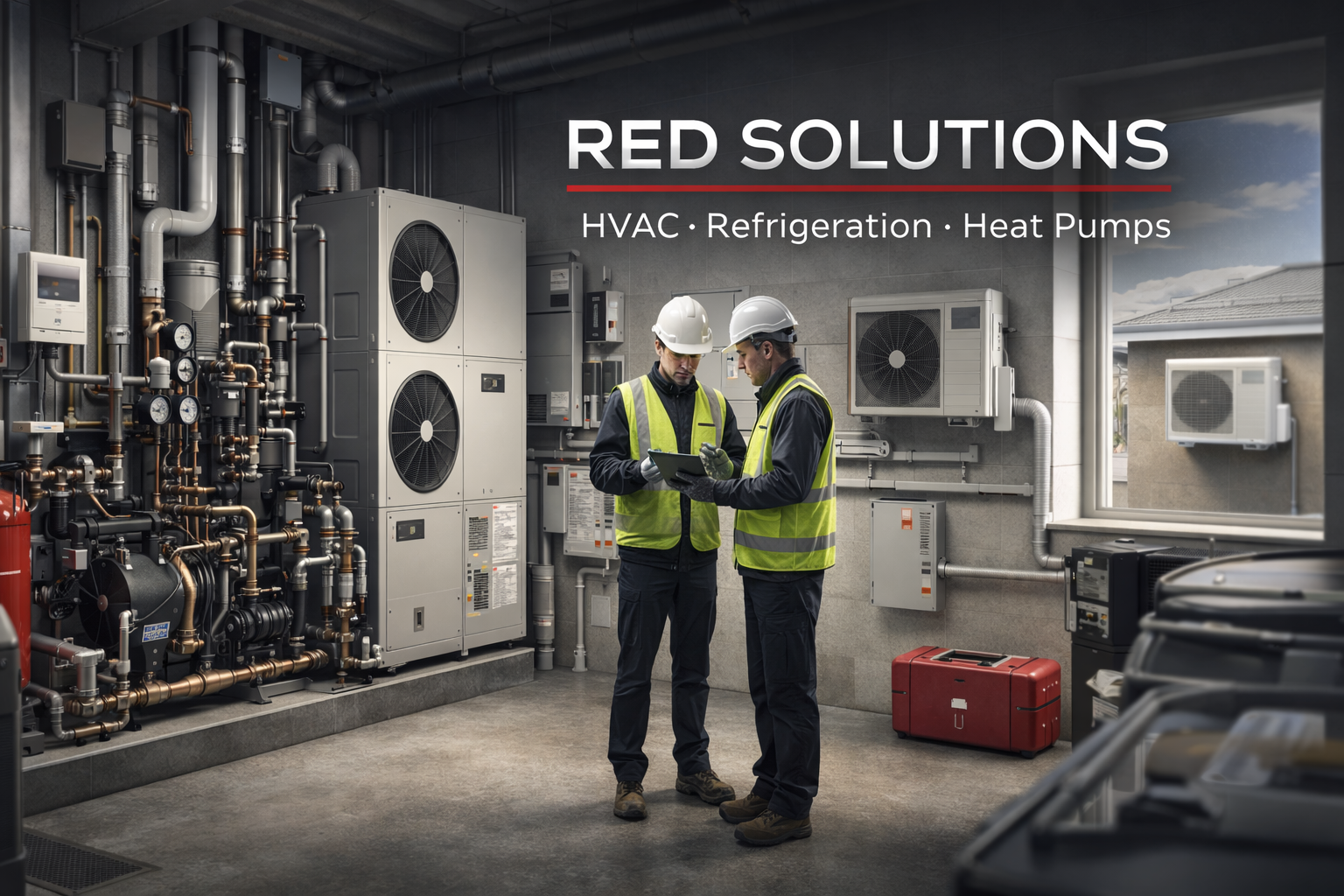
Recognizing the need for good indoor air quality, Red Solutions LLC offers comprehensive HVAC services aimed at improving IAQ. Our HVAC systems are designed to maintain appropriate ventilation levels, efficiently filter out pollutants, and keep your indoor environment comfortable and healthy. Regular maintenance of these systems is crucial, as it ensures that air filters and ducts are clean and functioning properly. This in turn reduces the circulation of allergens and contaminants.
What can you do to improve your home’s indoor air quality? Start by ensuring your HVAC system is regularly maintained and serviced. Monitor humidity levels to keep mold at bay, employ air purifiers for rooms that need extra care, and ensure adequate ventilation by opening windows when possible. For those with sensitivity to dust and pollen, consider using HEPA (High-Efficiency Particulate Air) filters which can capture finer particulates that typical filters may miss.
Additionally, be mindful of household products that emit VOCs. Opt for natural cleaning products and reduce the use of aerosols. Houseplants can also improve air quality by naturally filtering out toxins, although they should be combined with other air quality measures for best results.
In closing, ensuring good indoor air quality is a multi-faceted approach that combines technology and daily habits. By understanding the impact of IAQ on health, and taking proactive steps to maintain it, you can significantly improve your indoor environment. At Red Solutions LLC, we are committed to offering solutions that promote clean air and healthy living spaces for our customers. Investing in your health by enhancing your indoor air quality is surely a step worth taking.
/filters:no_upscale()/filters:format(webp)/media/55257735-3e4a-4f20-a651-b5e5a3497051.png)